Tempat asal:
Cina
Nama merek:
hengyang
Sertifikasi:
ISO9001
Nomor model:
Tempat pembakaran
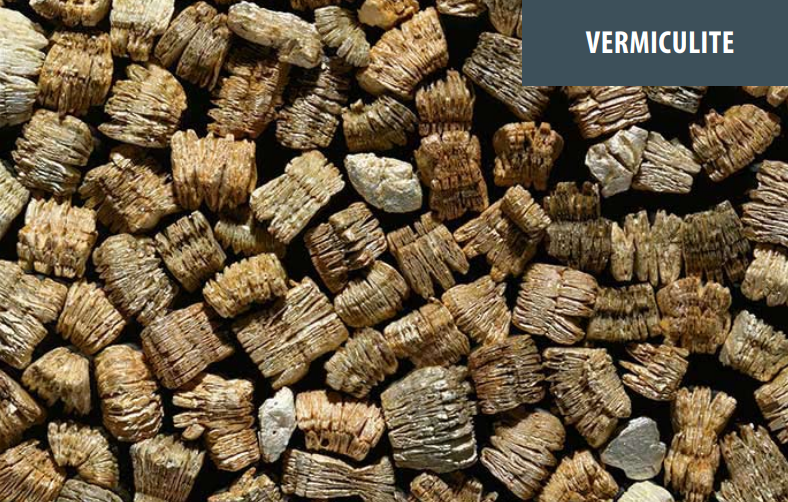
Vermiculite forms from the alteration of phlogopite, biotite or chlorite weathering processes or byhydrothermal solutions. Almost all known occurrences are associated with basic or ultrabasic rocks, many of which bear evidence of intrusion by acid magmas or carbonatites. Vermiculite is believed to form by supergene alteration by weathering and meteoricwater, and its occurrence is depth-dependent.
Uses Properties sought Specifications
Construction
• Lightweight material
• Thermal insulation
• Fire-proofing
• Acoustic insulation
• Aggregate
• Low bulk density
• Low thermal conductivity
• High sintering and fusion temperatures
• High sound absorption
• Chemically inert
• Rotproof
• Odourless
• Non-irritating
Depends on enduse but specifications generally include vermiculite content of concentrates (90–99%), particle size, exfoliation efficiency, density after exfoliation
Filler • Chemically inert
Refractory • Low thermal conductivity
• High sintering and fusion temperatures
Agriculture/ horticulture
• High cation exchange capacity
• Ability to absorb moisture and
remain free-flowing![]()
Processed Vermiculite
Vermiculite may be milled before or after exfoilation according to the range of particle sizes required. Such milled or ground material may be used for the production of anti-drumming coatings, condensation control paints, high performance gaskets and seals and for upgrading the fire resistance of organic foams and other polymer based systems. Exfoliated vermiculite can be coloured to suit its end use (eg. retail display).
Refractory Products
Vermiculite for refractory and high temperature insulation is normally bonded with alumina cements, fire clays and silicates to produce a wide range of vermiculite products which, depending on type and application can withstand hot face temperatures of up to 1100°C.
Kirim pertanyaan Anda langsung ke kami